When you work with a Seattle landscaping specialist for your spring landscape, you'll receive site-specific design expertise that manages seasonal weather patterns, soil challenges, and rainfall concerns. Professionals combine tailored vegetation, eco-friendly resources, and strategic drainage solutions—like rain gardens and permeable stonework—to endure the Pacific Northwest's moisture. You'll see resilient outdoor spaces with dimensional landscaping, adapted to your property's light conditions and terrain. Explore what local mastery and innovative solutions can do for your site's spring transformation next.
Key Takeaways
The Rewards of Partnering With Seattle Professional Landscapers
By engaging Seattle landscaping professionals, you benefit from region-specific expertise that manages the city's unique microclimates, soil conditions, and topography. You'll utilize their technical understanding of landscaping essentials and eco-friendly materials—each customized for Seattle's climate patterns and city limitations. Their methodology incorporates cost effective solutions, ensuring ideal resource allocation without compromising project quality or durability. Professionals assess your site's grading, sun exposure, and existing vegetation to maximize both function and visual appeal. They artfully integrate hardscape elements with native plantings, elevating landscape aesthetics while protecting ecological integrity. By applying their local knowledge, you avoid costly missteps and create a landscape that flourishes year-round. Ultimately, you get a cohesive, site-adapted design that enhances your outdoor environment.
Custom Garden Design for Pacific Northwest Gardens
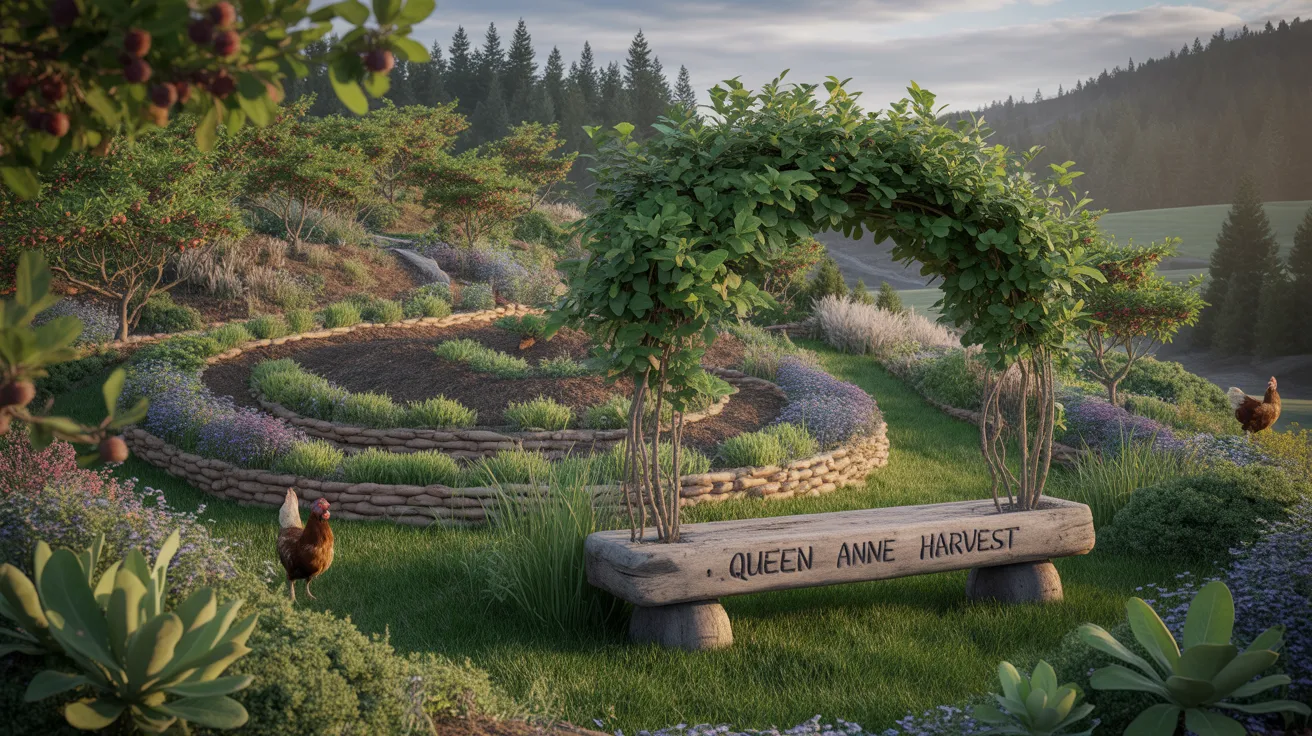
Considering Seattle's changeable weather and unique terrain, creating a garden in the Pacific Northwest calls for precise plant selection, strategic spatial planning, and integrated stormwater management. It's essential to evaluate microclimates, soil types, and rainfall patterns when designing your outdoor space. Create distinctive plant combinations—such as pairing native sword ferns with hardy ornamental grasses—to ensure year-round visual interest and durability. Focus on unique landscape elements like artisanal stone paths, raised garden beds, or artful boulder placements that complement your landscape's natural flow. By implementing layered planting designs and adaptive ground covers, you balance both beauty and functionality. Carefully planned rain gardens or swales can control runoff while enhancing aesthetics. Let your Seattle landscape become a dynamic showcase of your individual vision and the region's natural character.
Green Landscaping Strategies for Environmentally Conscious Property Owners
Improve your Seattle landscape's sustainability by focusing on native plant choices, which promotes local biodiversity and reduces maintenance needs. Install water-efficient irrigation systems designed for the region's rainfall patterns to optimize resource efficiency. Use organic mulching practices to control soil temperature, prevent weeds, and improve moisture preservation.
Choosing Native Plants
Selecting native plant species gives Seattle homeowners an eco-friendly approach to landscaping by maximizing ecological harmony and long-term resilience. By including local plant varieties such as sword ferns, Oregon grape, and red-flowering currant, you ensure your landscape performs effectively in the Pacific Northwest's unique climate and soil profiles. Native plant benefits include lower maintenance requirements, improved drought hardiness, and greater support for regional native fauna. These species naturally fight off local pests and diseases, minimizing the need for chemical applications. When laying out your site, prioritize plant communities that mimic natural ecosystems, supporting biodiversity and soil health. Including native plant selections establishes visually cohesive, functional landscapes that prosper with minimal resource requirements—harmonizing your outdoor space with sustainable best practices specific to Seattle's special environment.
Water-Saving Irrigation Solutions
While Seattle's rainfall contributes to its vibrant landscapes, effective irrigation is vital for sustainable outdoor environments—especially during the summer's dry period. By implementing smart watering solutions, you can maintain plant health while saving water. A drip system provides focused hydration directly to root zones, minimizing moisture loss and excess—a perfect approach for Seattle's variable slopes and compact vegetation. You'll attain exact management over water delivery, minimizing excess and encouraging deep root growth.
Consider implementing greywater recycling to boost sustainability. By reusing lightly used household water for watering ornamental beds, you reduce usage on potable water sources and support responsible landscape management. When planning your system, opt for programmable controllers and moisture sensors for adaptive performance tailored to Seattle's unique microclimates, ensuring a healthy, eco-conscious landscape throughout the year.
Sustainable Mulching Techniques
Among the most successful sustainable landscaping methods for Seattle homeowners involves the strategic use of organic mulches. When choosing location-suitable mulch varieties—such as compost, shredded bark, or wood chips—you'll improve soil health, suppress weeds, and regulate soil temperature, all vital for Seattle's temperate and rainy climate. Prioritize local materials to minimize transportation emissions and guarantee compatibility with native plantings.
Spread mulch uniformly throughout planting beds, maintaining a depth of two to four inches, and position material several inches away from plant stems to prevent rot. Regularly add mulch to maintain ideal coverage, particularly after heavy rain. Adapting your application techniques to Seattle's unique soil and precipitation patterns improves moisture retention, reduces erosion, and creates a hardy, low-maintenance landscape.
Outdoor Living Improvements Through Hardscaping
Even though Seattle's weather patterns presents special challenges for outdoor spaces, well-planned hardscaping transforms your property's functionality and appearance year-round. Installing durable materials like concrete, flagstone, and permeable pavers allows your hardscape to withstand heavy rainfall while website preserving a clean, contemporary look. When laying out patio configurations, you'll want to position seating areas for optimal drainage and add retaining walls to manage sloped terrain. Think about installing outdoor kitchens with weatherproof cabinetry, built-in grills, and covered prep zones to extend your entertaining season regardless of the Pacific Northwest's common showers. Custom pathways and easy-care steps join functional areas, optimizing site circulation. With intentional hardscape planning, you design outdoor living spaces that merge seamlessly with Seattle's natural beauty, offering durability, comfort, and sophisticated design throughout the year.
Professional Lawn Care and Seasonal Maintenance
A healthy landscape in Seattle demands specialized care to address the region's consistent wetness, cool weather, and moss development. You need a methodical approach to seasonal lawn care that considers both environmental and aesthetic factors. Start each year with targeted lawn aeration to minimize soil compaction from winter rainfall, promoting deeper root development and optimal grass vitality. Incorporate seasonal planting of climate-appropriate grass blends and shade-friendly groundcovers to optimize year-round appearance and feel. Routine dethatching and precise mowing schedules help control moss and prevent fungal issues common in Seattle's climate. Feed with formulations suited for the soil's nutrient profile, adapting to spring and fall growth cycles. This systematic regimen assures your landscape remains practical, visually appealing, and sustainable throughout the year.
Water Management and Drainage Solutions
Given Seattle's wet weather, you need customized water control solutions that integrate effective rainwater harvesting systems and sustainable drainage design. This will enhance site hydrology while preventing erosion and landscape water damage through professional land grading, porous materials, and bioswales. Thoughtful design ensures your outdoor spaces stay usable and durable in every season.
Practical Rainwater Collection Systems
Due to Seattle's climate features significant rainfall throughout the year, integrating state-of-the-art rainwater harvesting systems into your landscape design is essential for successful water management. You'll benefit from a system engineered to collect runoff from roof surfaces and hardscape areas, routing it through specialized rainwater filtration units. These filters eliminate particulates and contaminants, making certain the collected water maintains quality for yard maintenance or general outdoor use.
Sustainable Drainage Design Solutions
Rainwater harvesting systems operate most effectively when combined with sustainable drainage solutions adapted to Seattle's landscape and soil characteristics. When designing your landscape design, look into implementing a drainage system that efficiently manages runoff while enhancing your site's ecological function. Permeable paving, bioswales, and rain gardens permit water to seep naturally, decreasing surface runoff and mitigating erosion risks typical in Seattle's rainy climate. You should use construction methods and materials that direct water away from structures, while maintaining native plantings that thrive in wet conditions. By customizing your drainage system to work with Seattle's variable soils—commonly a mix of clay and loam—you maximize both performance and sustainability. Thoughtful drainage design protects your landscape investment and aligns with modern, eco-conscious landscape architecture principles.
Preventing Landscape Water Damage
While Seattle landscapes thrive with abundant rainfall, unmanaged water can rapidly undermine even the most carefully designed outdoor spaces. You need to address water flow with customized drainage solutions matched to your property's gradients and planting zones. Methods like French drains, permeable pavers, and bioswales direct runoff away from foundations and high-traffic areas, safeguarding structural and aesthetic integrity. Effective drainage helps prevent pooling and erosion but further enhances long-term soil health by decreasing compaction and root rot risks. Look into installing rain gardens or dry creek beds, which both manage stormwater and improve visual appeal. By actively controlling water movement, you'll safeguard your landscape investment while encouraging sustainability. Make sure to get expert assessment to confirm your drainage system suits Seattle's unique rainfall patterns and site conditions.
Finding the Ideal Landscape Professional in Seattle
How can you ensure your Seattle landscape project meets both beauty and practicality? Begin with assessing prospective companies' portfolios for compatibility with current landscaping trends suited to Seattle's unique microclimates. Examine their expertise in eco-friendly plant choices, stormwater management, and terrain-based hardscape integration. Conduct service comparisons—don't just considering pricing; analyze the range of design-build capabilities, post-installation support, and expertise in native species. Verify transparent communication, permitting experience, and a interactive design process. Seattle's dynamic weather calls for technical proficiency in drainage and soil stabilization, so prioritize partners with established expertise in these areas. Utilizing local references, you'll guarantee your chosen team comprehends the city's evolving design culture and environmental requirements, resulting in a landscape that's both innovative and enduring.
Frequently Asked Questions
Do You Offer Free On-Site Consultations for New Landscaping Projects?
We offer a free property assessment for your outdoor space transformation. During the assessment, you'll discover current landscaping trends aligned with Seattle's climate and site conditions. We'll assess your property's distinct characteristics and explore creative approaches customized for your preferences. Our consultation provides professional guidance on botanical options, environmentally conscious materials, and space optimization, ensuring your landscape design satisfies technical requirements and elevates your property's beauty and usability.
How Long Does Your Project Process Take From Design to Completion?
While some projects extend over weeks, others can be completed in just days—your schedule is determined by your site's specifics and design phases. Typically, you'll see initial concepts within one week, with next project stages, such as design approval and materials chosen, coming soon after. Construction begins after permitting, typically taking between two and four weeks. Throughout, you'll stay updated on each phase, ensuring your landscape's transformation is efficient, seamless, and tailored to Seattle's unique environmental conditions.
Do You Have Insurance and Bonding for Your Landscaping Services?
It's essential to guarantee your landscaping project meets all insurance coverage and bonding requirements. When choosing landscaping services, confirm they have extensive liability insurance to safeguard your site from potential damages or accidents. Additionally, confirm that your contractor is bonded, which ensures the execution of design-oriented work and adherence to local regulations. This combined coverage protects your investment and guarantees your project satisfies specialized, site-specific standards throughout its implementation.
May I see references and our Seattle-based work?
Feel free to inquire about portfolio samples and customer reviews specific to Seattle sites. We keep an detailed portfolio featuring landscape design strategies customized for the region's climate, soil profiles, and architectural styles. By examining our portfolio, you'll discover detailed documentation of site analysis, plant selection, and hardscape integration. Client testimonials further validate our design capabilities and working approach, so you can effectively evaluate our abilities for your upcoming landscaping project in Seattle.
What's Your Approach to Seattle Landscaping Permit Requirements?
As you approach landscaping projects in Seattle, you need to work within strict landscaping regulations. It's necessary to examine the site to figure out which elements need city approval, including grading, tree removal, or hardscape installations. You must submit permit applications, ensuring all technical drawings and site plans comply with municipal codes. Throughout the process, you will work with city officials and monitor compliance, so your project progresses as planned and follows Seattle's unique environmental and zoning requirements.
Summary
As you partner with Seattle's landscape professionals, you're not just planting flowers—you're designing unity between structures and landscapes. With tailored layouts rooted in the flow of the Pacific Northwest, sustainable systems that efficiently use water, and structural elements that complement your outdoor canvas, your property evolves into a living work of art. Let specialists manage the yearly changes and drainage puzzles, so your landscape prospers—rain or shine, year after year, distinctively local, individually designed.